

Hoot Hoot! Call For 1st Order Discount 626-412-1200

Category: Concealed Carry Badges
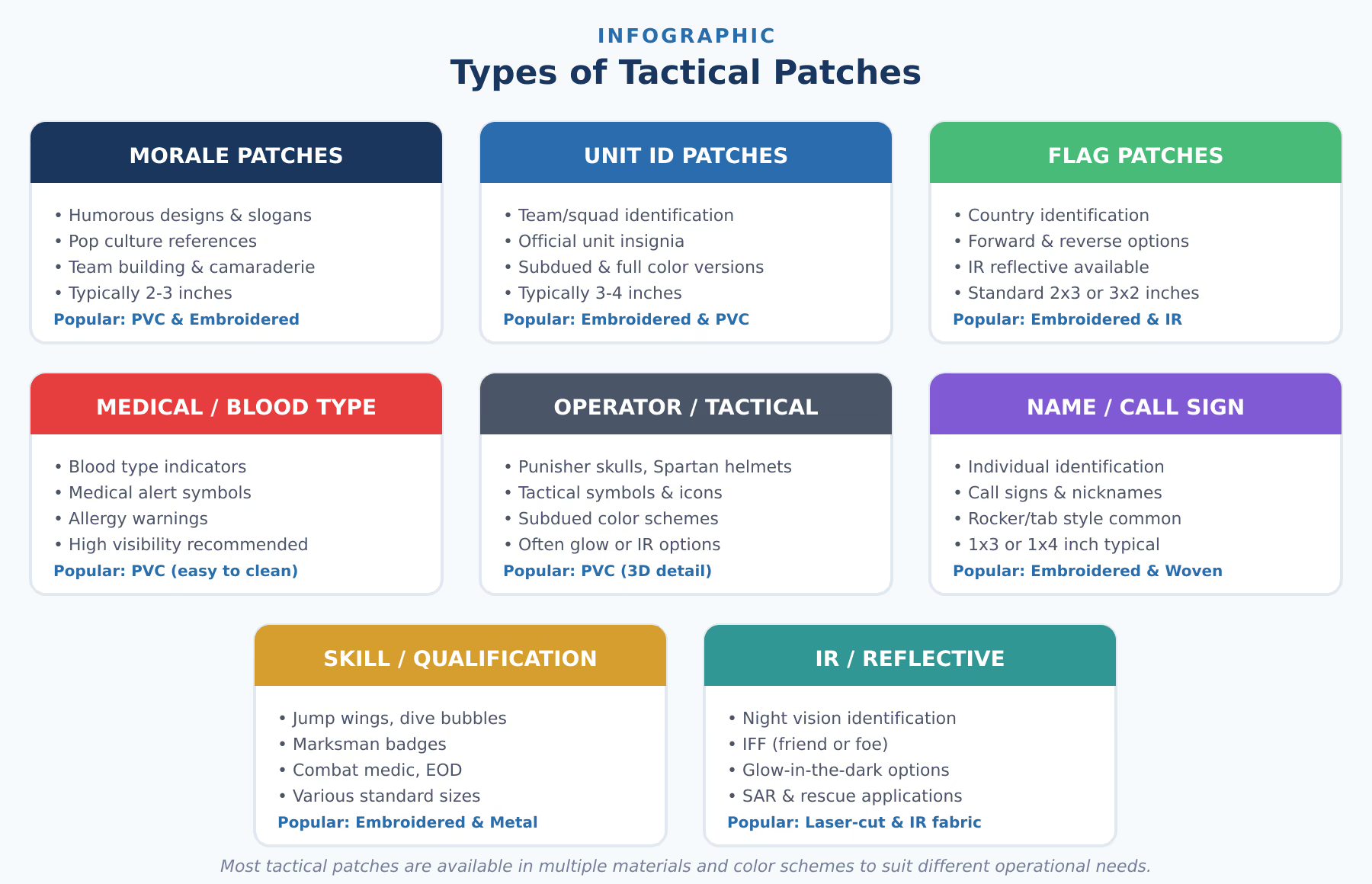
Infographic showing eight types of tactical patches: morale patches (humorous designs, 2-3 inches, pvc or embroidered), unit id patches (team identification, 3-4 inches), flag patches (country id with ir options), medical/blood type (high visibility pvc), operator/tactical (skulls and tactical symbols in subdued colors), name/call sign (rocker style 1x3-4 inches), skill/qualification (jump wings, marksman badges), and ir/reflective (night vision identification for sar applications).

Tactical patches fall into eight main categories: morale patches for team building, unit ID for squad identification, flag patches for nationality, medical patches for blood type and alerts, operator patches with tactical symbols, name tapes for individual ID, skill badges for qualifications, and IR patches for night operations.
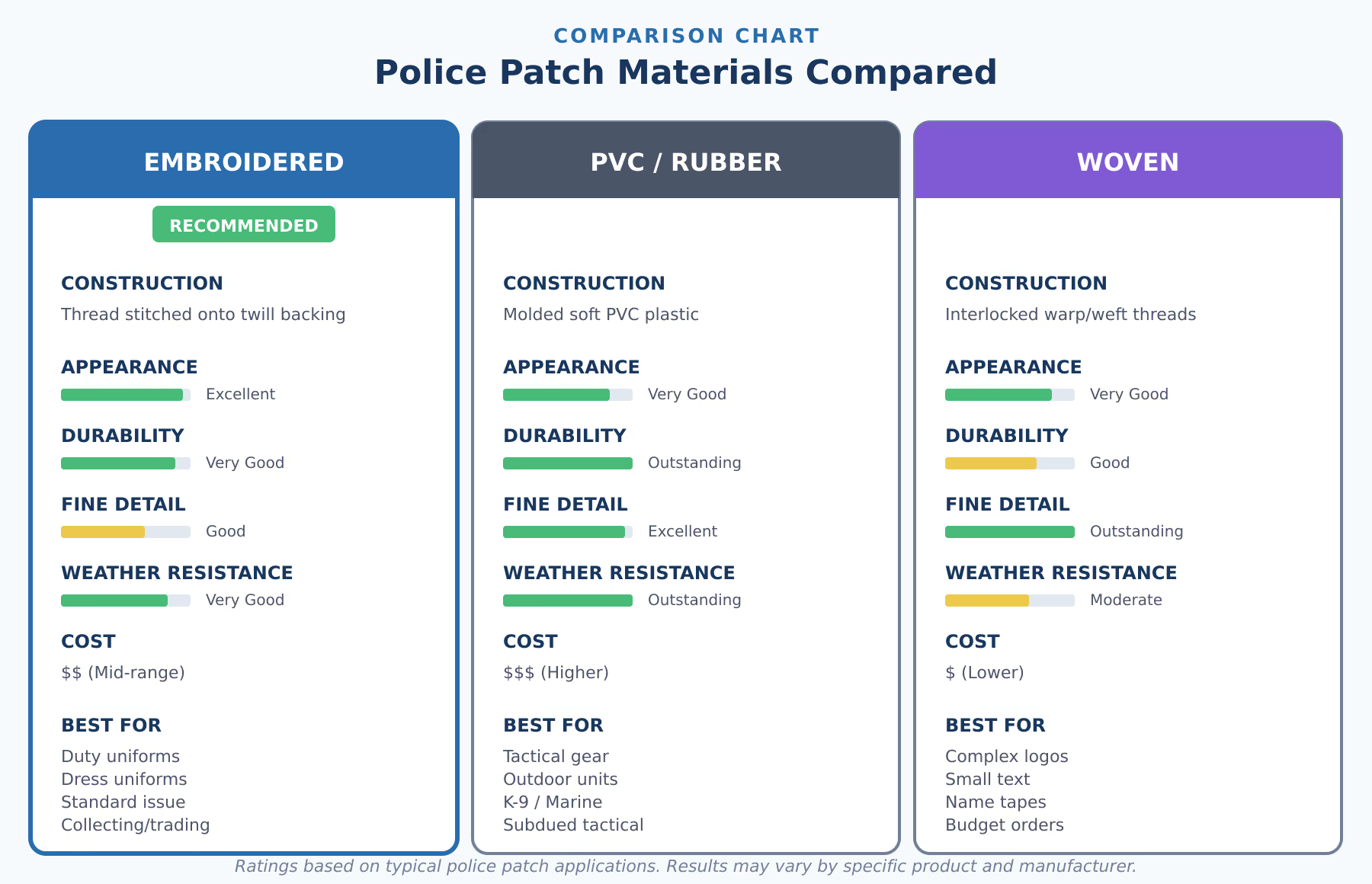
Comparison chart of three police patch materials: embroidered (recommended) with excellent appearance, very good durability, mid-range cost, best for duty and dress uniforms; pvc/rubber with outstanding durability and weather resistance, higher cost, best for tactical gear and k-9 units; woven with outstanding fine detail capability, good durability, lower cost, best for complex logos and name tapes.

Choosing the right police patch material matters. Embroidered patches remain the standard for duty uniforms, offering the best balance of appearance, durability, and cost. PVC excels for tactical and outdoor applications with superior weather resistance. Woven patches capture fine details at lower cost. Compare all three materials side-by-side.
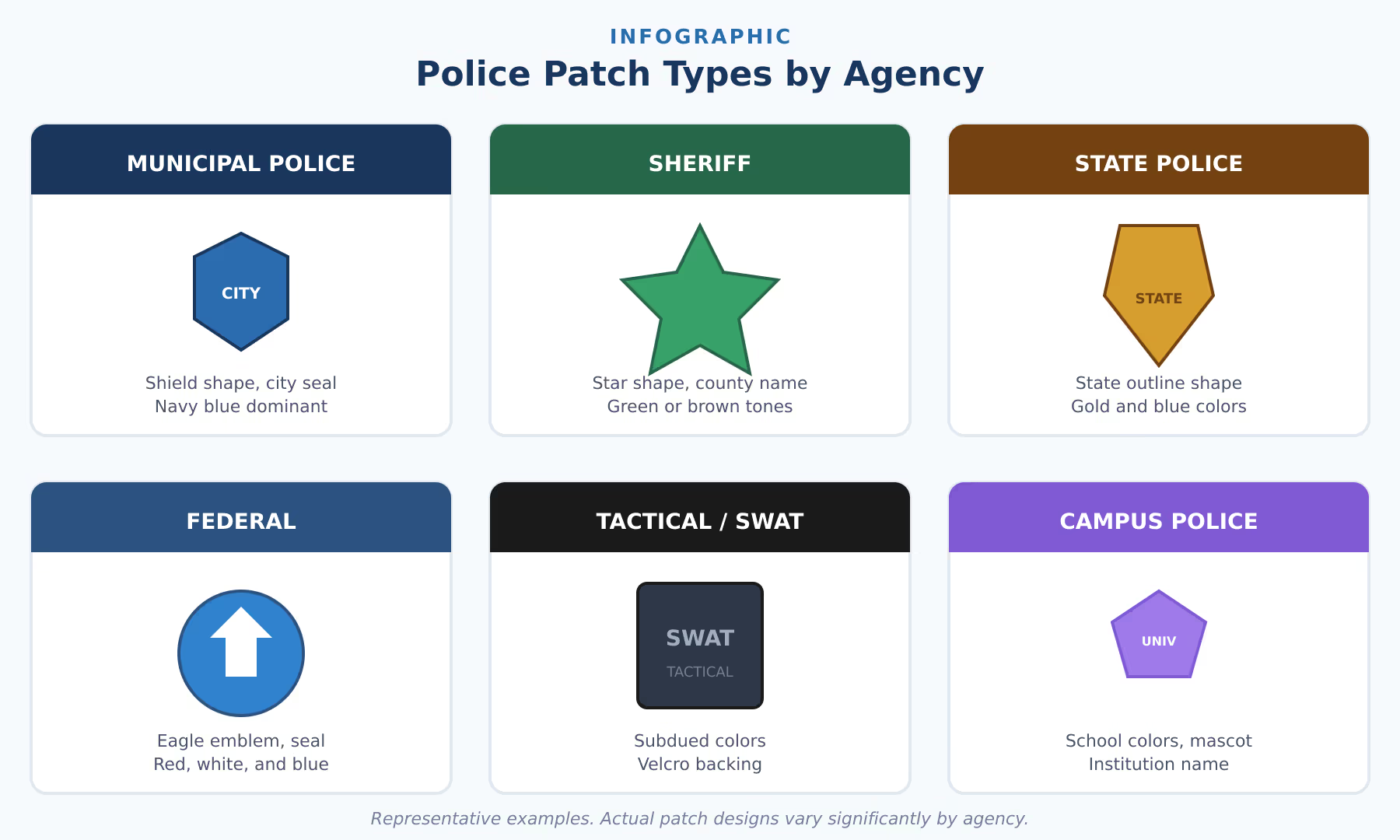
Infographic showing six types of police patches by agency: municipal police (navy blue shield shape with city seal), sheriff (green star shape with county name), state police (gold state outline shape), federal (circular with eagle emblem in red, white, and blue), tactical/swat (subdued black square with velcro backing), and campus police (purple pentagon with school colors and institution name).

Police patches vary significantly by agency type. Municipal departments typically use navy blue shields, sheriff’s offices feature green stars, state police display state outlines in gold, federal agencies use circular seals with eagles, tactical units prefer subdued black velcro patches, and campus police incorporate school colors and mascots.
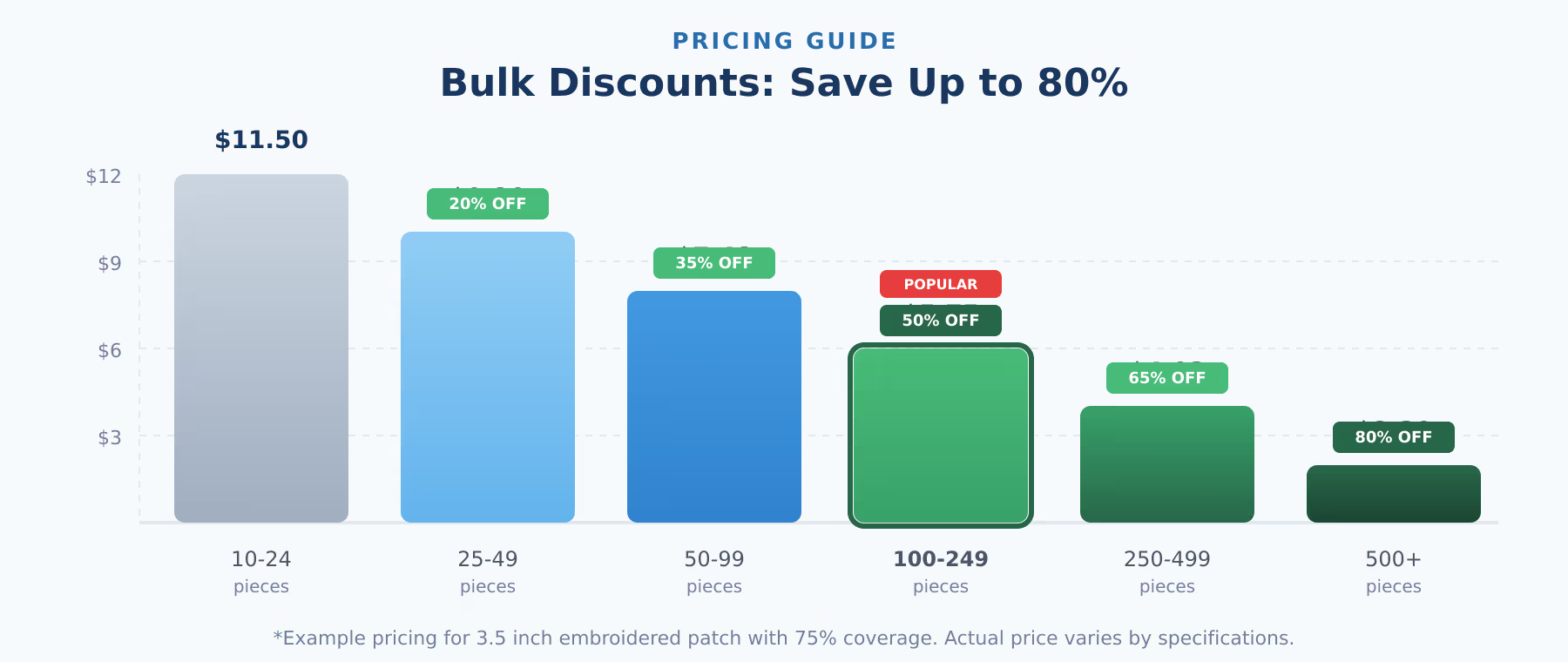
Bar chart showing custom police patch bulk pricing discounts: 10-24 pieces at $11. 50 each (base price), 25-49 pieces at $9. 20 (20% off), 50-99 pieces at $7. 48 (35% off), 100-249 pieces at $5. 75 (50% off, most popular), 250-499 pieces at $4. 03 (65% off), and 500+ pieces at $2. 30 (80% off). Example pricing for 3. 5 inch embroidered patch with 75% coverage.

Save up to 80% on custom police patches with bulk ordering. Our volume discounts start at just 25 pieces, with the most popular tier at 100-249 patches offering 50% savings. See exact pricing for your department’s order size.
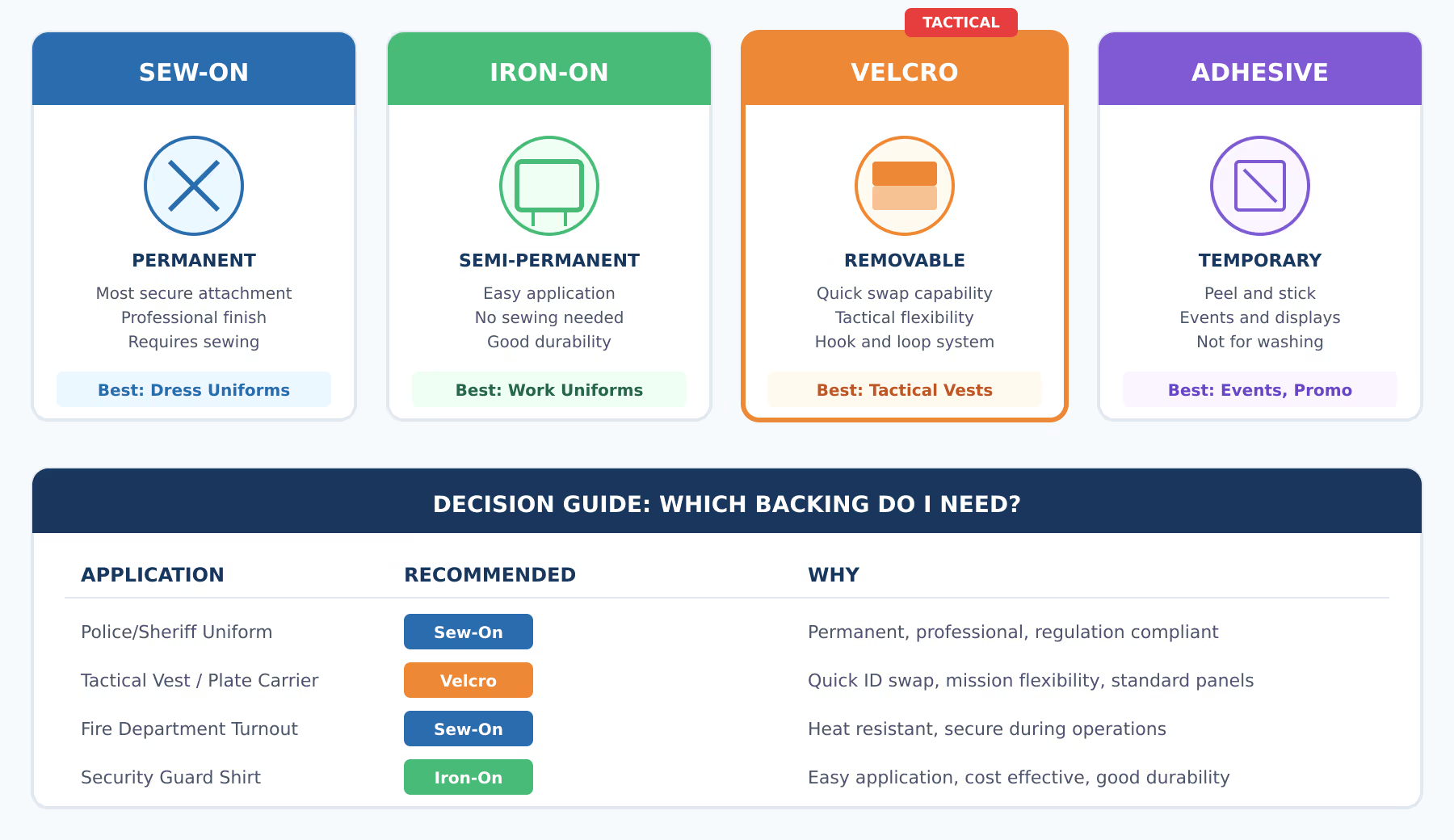
Infographic comparing four patch backing types: sew-on (permanent, best for dress uniforms), iron-on (semi-permanent, best for work uniforms), velcro (removable, best for tactical vests), and adhesive (temporary, best for events). Includes decision guide showing recommended backing for police uniforms, tactical vests, fire department turnout gear, and security guard shirts.

Compare sew-on, iron-on, velcro, and adhesive patch backing types. Our visual decision guide helps you choose the right backing for police uniforms, tactical vests, fire department gear, and security applications.

How to Become a Bodyguard: Complete Executive Protection Career Guide [2026] Updated January 2026 | 25 min read Whether you dream of protecting celebrities, corporate executives, or high-net-worth families, becoming a bodyguard offers a rewarding career path with salaries ranging from $50,000 to over $200,000 annually. This comprehensive guide coversRead More
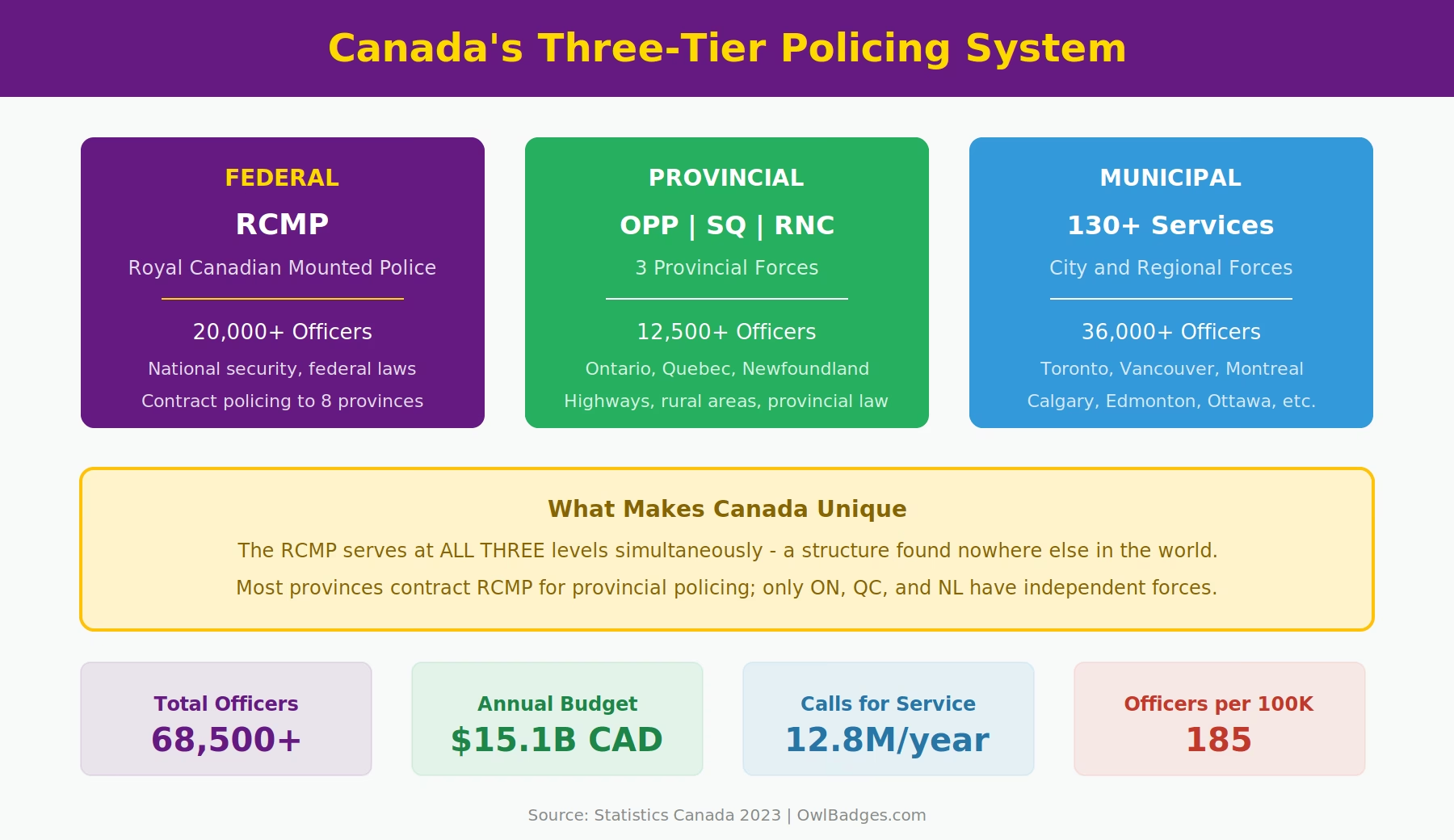
Infographic showing canada's three-tier policing system: federal (rcmp with 20,000+ officers), provincial (opp, sq, rnc with 12,500+ officers), and municipal (130+ services with 36,000+ officers). Statistics show 68,500 total officers, $15. 1b annual budget, 12. 8m calls per year, and 185 officers per 100k population.

Canada operates a unique three-tier policing system found nowhere else in the world. The RCMP serves at federal, provincial, and municipal levels simultaneously, while Ontario, Quebec, and Newfoundland maintain independent provincial forces. With 68,500 officers and a $15.1 billion annual budget, Canadian policing combines standardized training with regional flexibility.
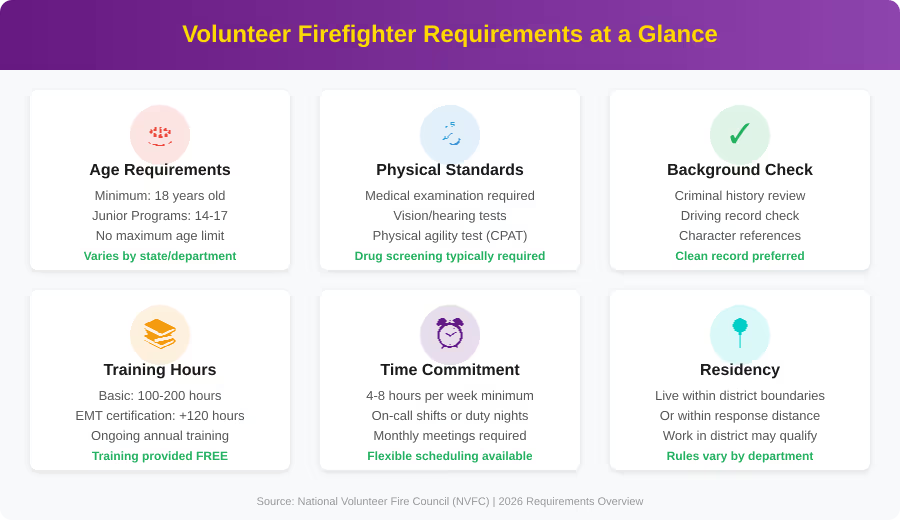
Infographic showing six volunteer firefighter requirements: age (18+, junior 14-17), physical standards (medical exam, cpat), background check (criminal and driving record), training hours (100-200 hours free), time commitment (4-8 hours weekly), and residency (within district boundaries). Source: national volunteer fire council 2026.

Wondering what it takes to become a volunteer firefighter? This guide breaks down the six essential requirements: age limits, physical standards, background checks, training hours, time commitment, and residency rules. Most volunteer fire departments require applicants to be 18+ years old, pass a medical exam and background check, and complete 100-200 hours of free training while committing just 4-8 hours per week.
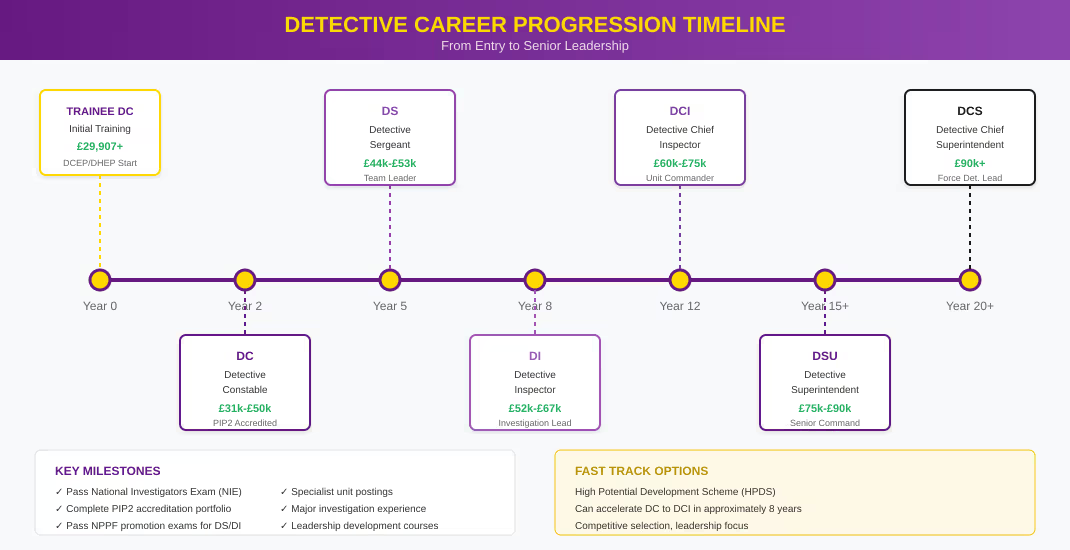
Uk detective career progression timeline infographic showing the path from trainee dc to detective chief superintendent over 20+ years, with salary ranges at each rank: trainee dc (£29,907+), dc (£31k-£50k), ds (£44k-£53k), di (£52k-£67k), dci (£60k-£75k), dsu (£75k-£90k), and dcs (£90k+). Includes key milestones like passing the national investigators exam and pip2 accreditation.

Visual timeline of UK detective career progression from entry-level Detective Constable to senior leadership, showing typical years of service and salary ranges at each rank from DC through DCS.
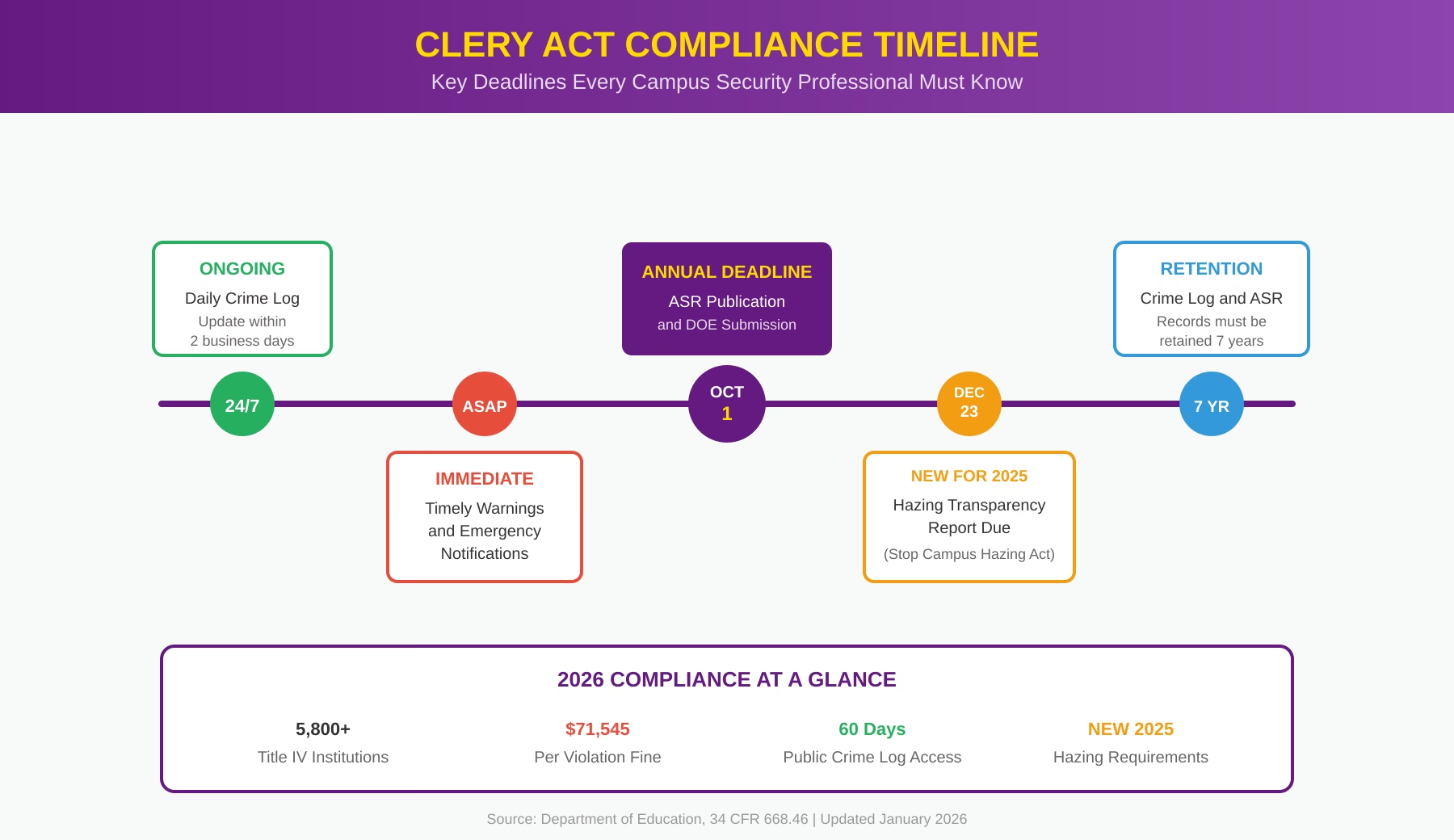
Clery act compliance timeline infographic showing five key deadlines: ongoing daily crime log updates within 2 business days, immediate timely warnings and emergency notifications, october 1 annual asr publication deadline, december 23 hazing transparency report (new for 2025), and 7-year record retention requirement. Bottom section shows 2026 compliance facts: 5,800+ title iv institutions, $71,545 per violation fine, 60 days public crime log access, and new 2025 hazing requirements.

Clery Act compliance involves ongoing daily requirements plus critical annual deadlines. The October 1 ASR deadline is the most important date on every campus security professional’s calendar.
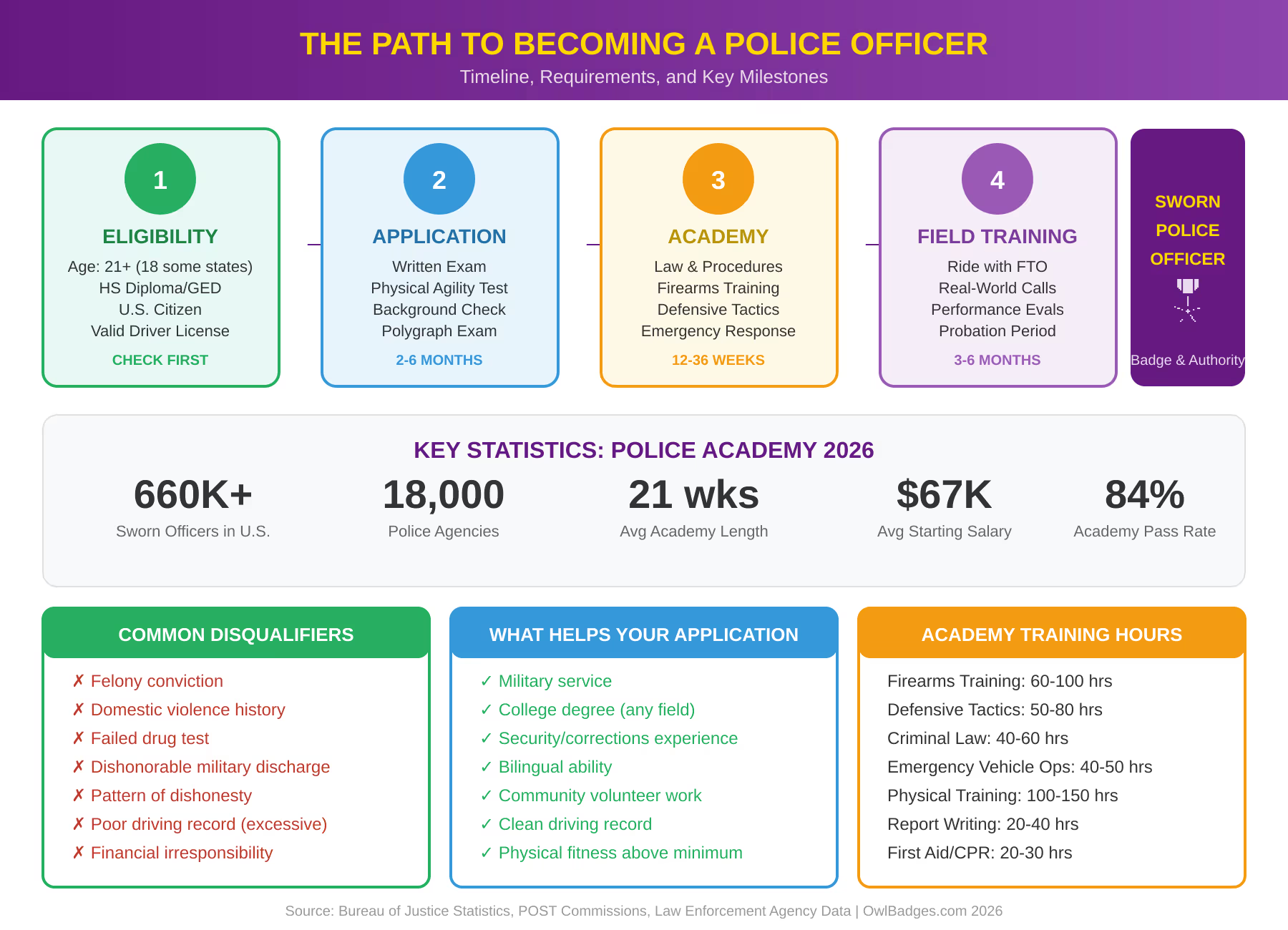
Visual guide to becoming a police officer showing the complete 4-step journey from eligibility requirements through academy training to sworn officer status. Includes 2026 statistics on academy length, pass rates, starting salaries, and what helps or hurts your application.

The complete journey from civilian to sworn police officer: requirements, timeline, and training overview
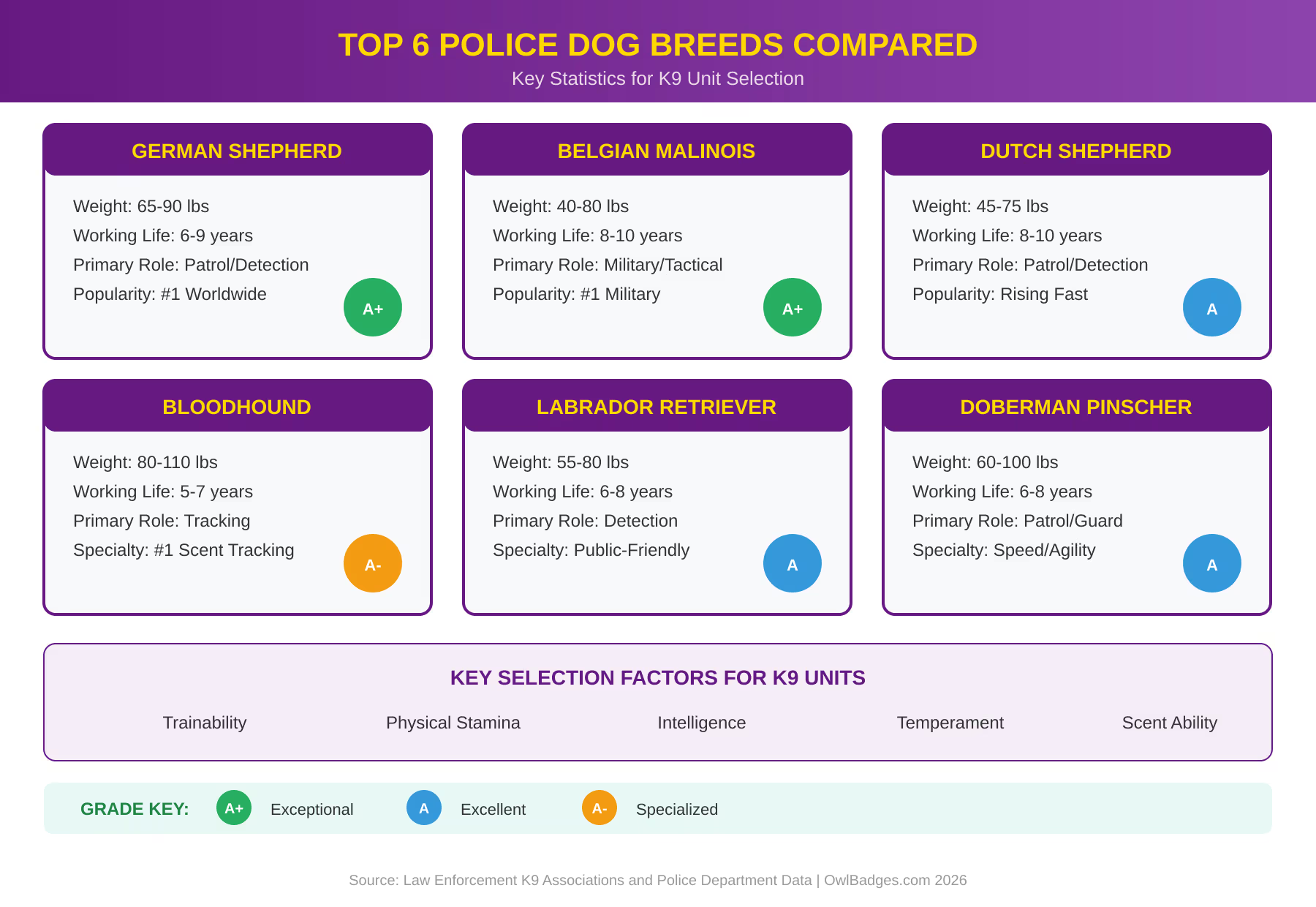
Infographic comparing the top 6 police dog breeds used in k9 units: german shepherd (65-90 lbs, 6-9 year working life, patrol/detection, #1 worldwide), belgian malinois (40-80 lbs, 8-10 years, military/tactical, #1 military choice), dutch shepherd (45-75 lbs, 8-10 years, patrol/detection, rising popularity), bloodhound (80-110 lbs, 5-7 years, tracking specialist), labrador retriever (55-80 lbs, 6-8 years, detection, public-friendly), and doberman pinscher (60-100 lbs, 6-8 years, patrol/guard, speed/agility). Key selection factors include trainability, physical stamina, intelligence, temperament, and scent ability.

Compare the top 6 police dog breeds used by K9 units across the United States. German Shepherds, Belgian Malinois, Dutch Shepherds, Bloodhounds, Labrador Retrievers, and Dobermans each bring unique strengths to law enforcement—from patrol and apprehension to detection and tracking.