


-
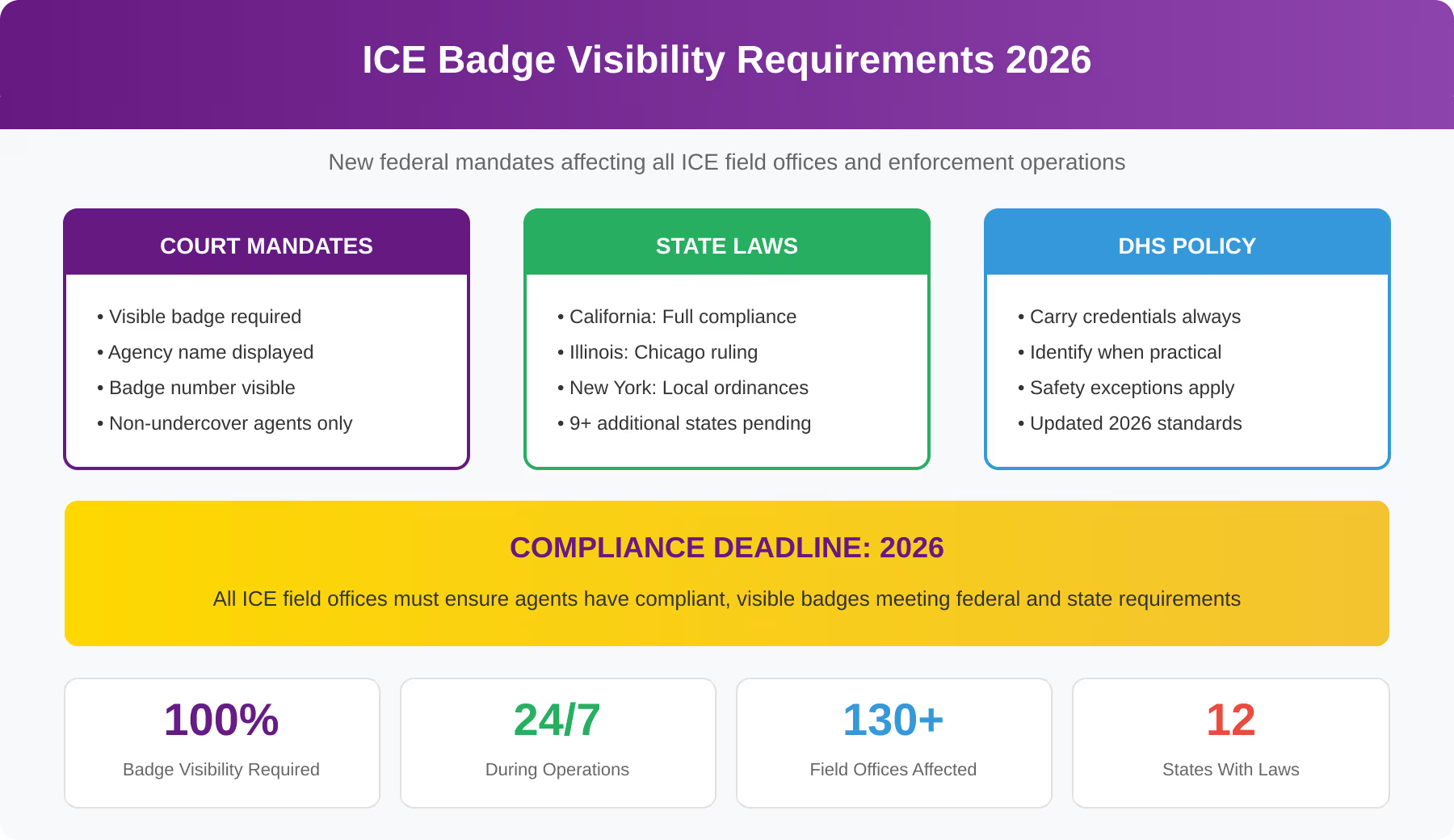
 Federal Law Enforcement ICE Badge Visibility Requirements 2026: Complete Compliance Guide for Field Offices New federal mandates require ICE agents to display visible identification during enforcement operations. Here’s what every field office needs to know about badge compliance, procurement standards, and identification requirements. January 9, 2026 12 min read Owl Read More
 -
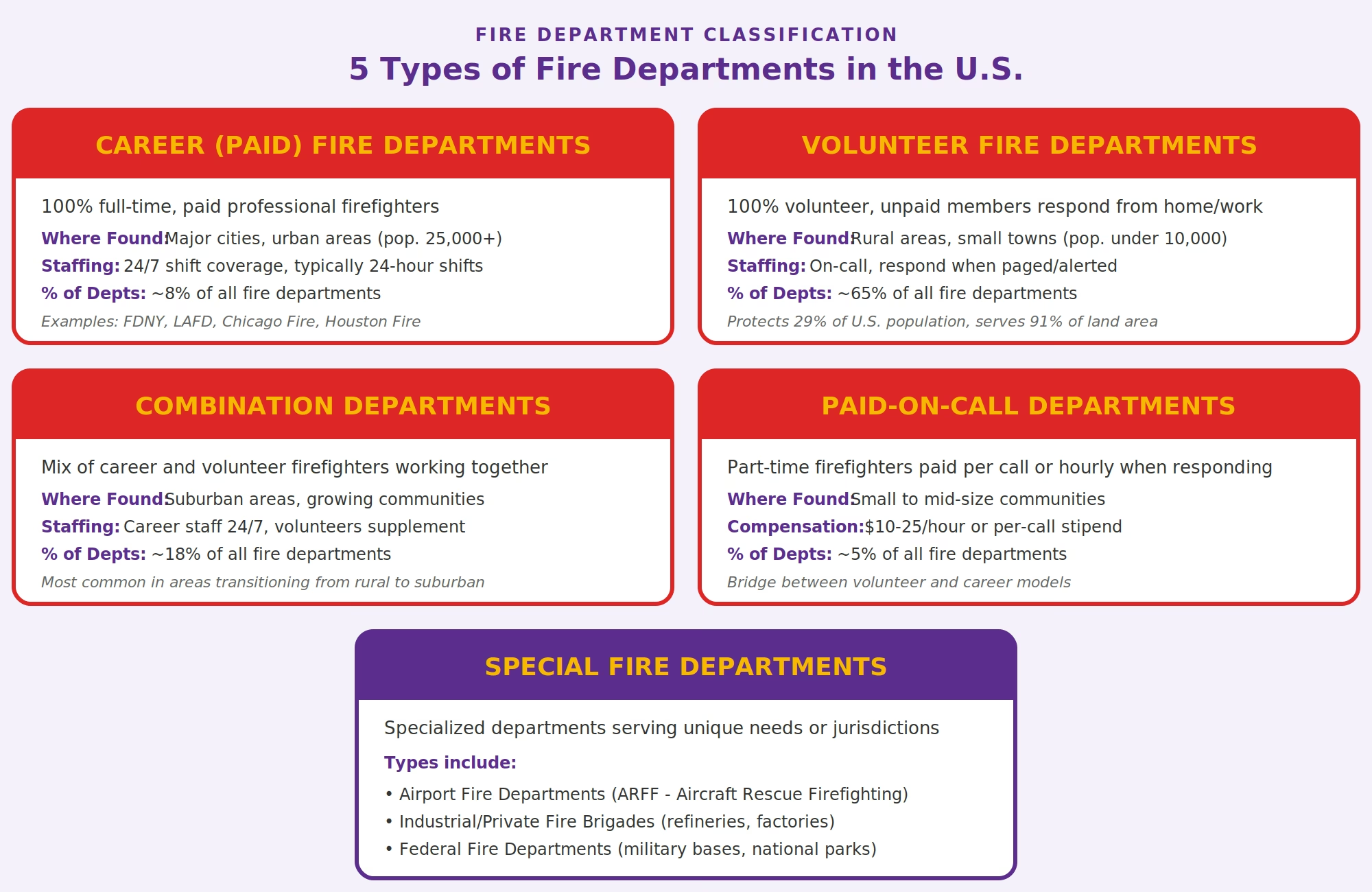
 The Complete Fire Service Resource Fire Departments Near Me: Complete U.S. Fire Station Directory, Types & How to Become a Firefighter Whether you need to contact your local fire station, want to become a firefighter, or are looking for volunteer opportunities—this comprehensive guide covers everything about U.S. fire departments. From Read More
 -
 The Definitive Resource Patches: The Complete Guide to Custom Patches, Types, Materials & Applications Whether you’re outfitting a 500-officer police department, designing morale patches for your military unit, or creating custom patches for your motorcycle club—understanding patch types, materials, and applications ensures you get exactly what you need. This guide Read More
 -
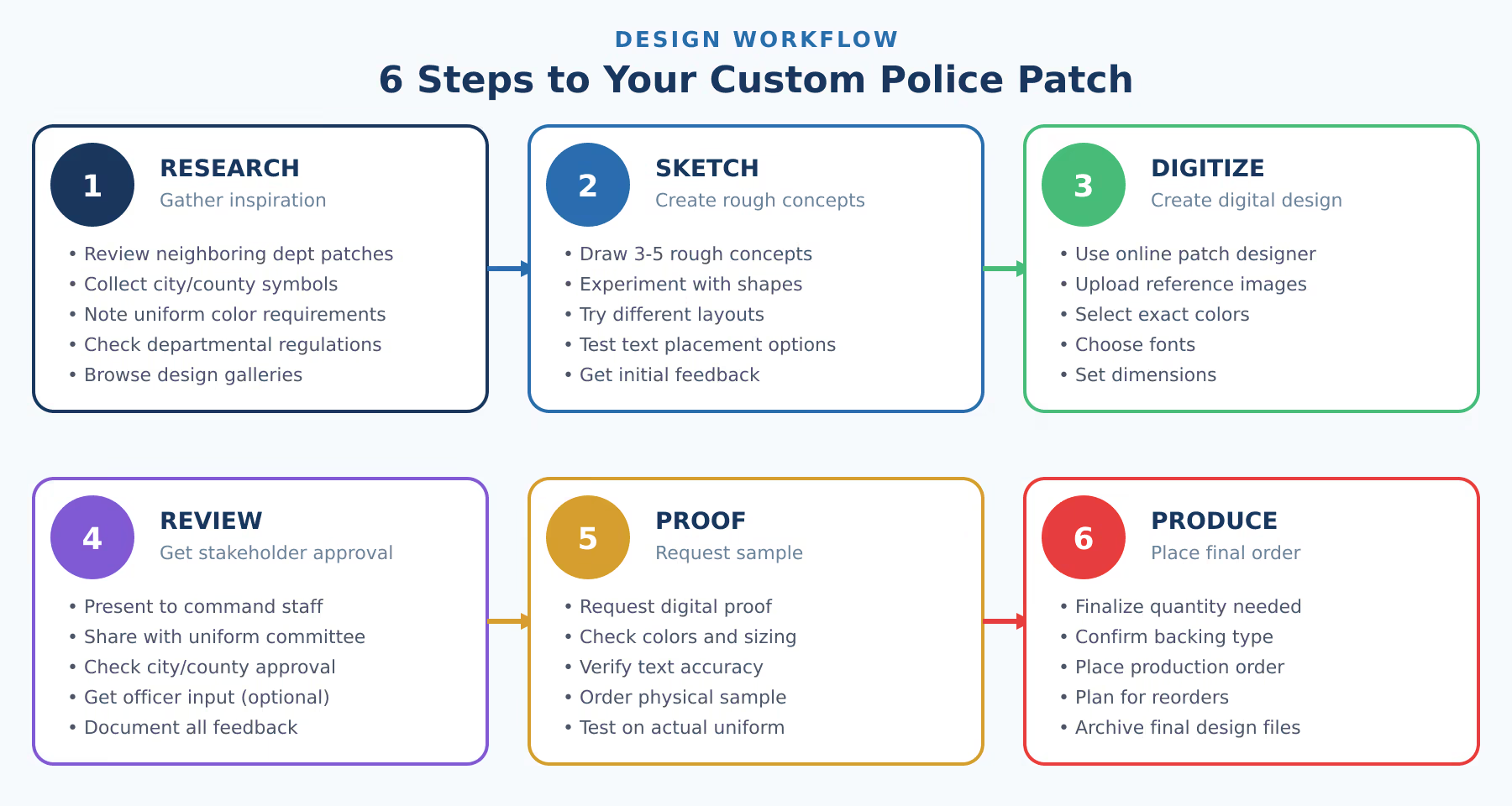
 How to Design a Police Patch: Step-by-Step Guide for Departments Updated January 2026 | 14 min read A police patch is more than a piece of fabric—it’s a symbol of authority, community identity, and departmental pride worn by every officer who serves. Whether you’re establishing a new department, refreshing an Read More
 -
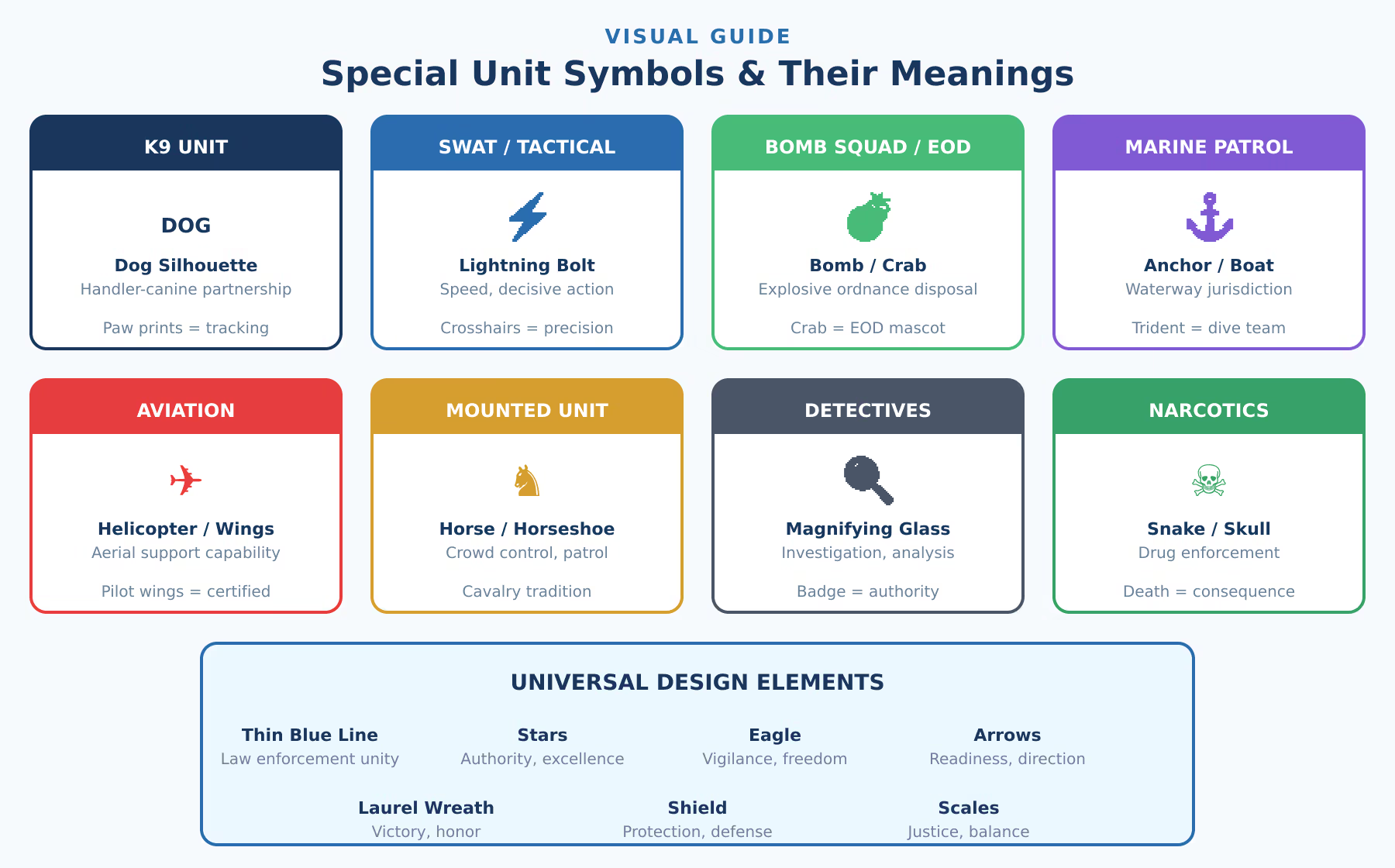
 K9, SWAT & Special Teams Patches: Design Guide for Elite Units Updated January 2026 | 12 min read Elite law enforcement units deserve patches that reflect their specialized training, unique mission, and team pride. From K9 handlers working alongside their four-legged partners to SWAT operators breaching doors, these specialty teams Read More
 -
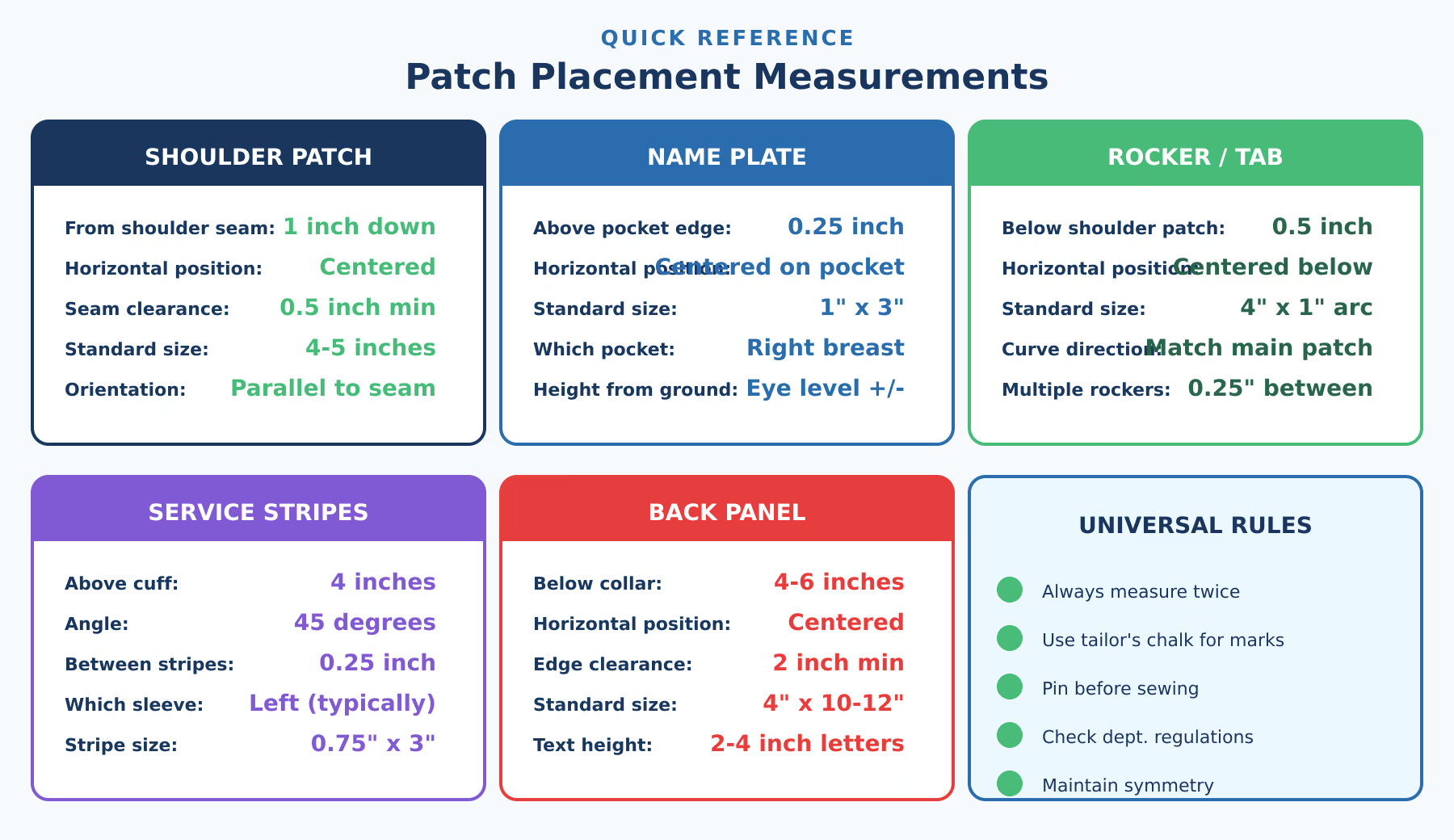
Police Uniform Patch Placement Guide: Official Standards & Measurements Updated January 2026 | 10 min read Proper patch placement is essential for a professional law enforcement appearance. Misaligned or incorrectly positioned patches can undermine authority, violate department regulations, and create an inconsistent look across your team. This guide provides exact Read More
-
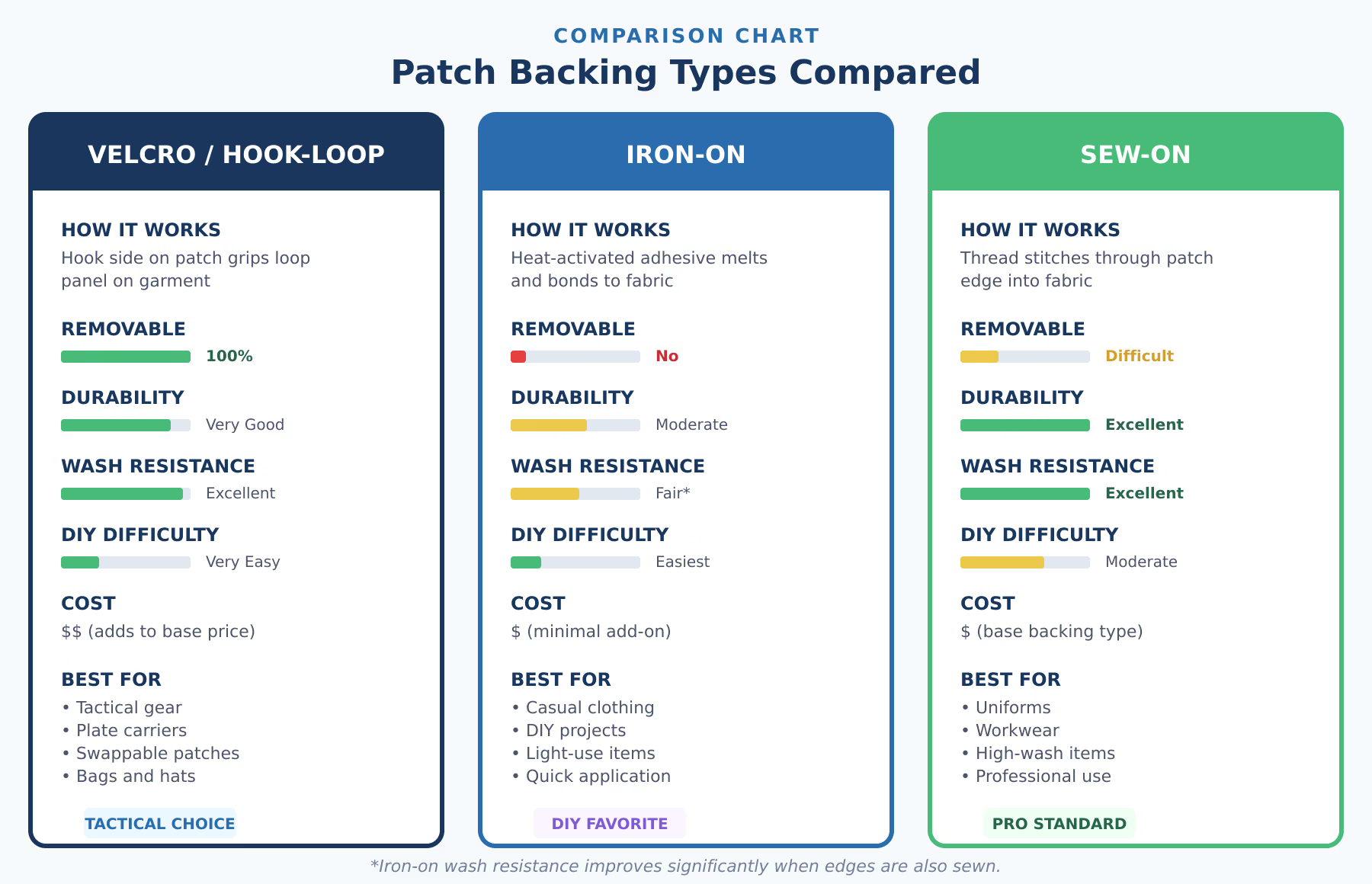
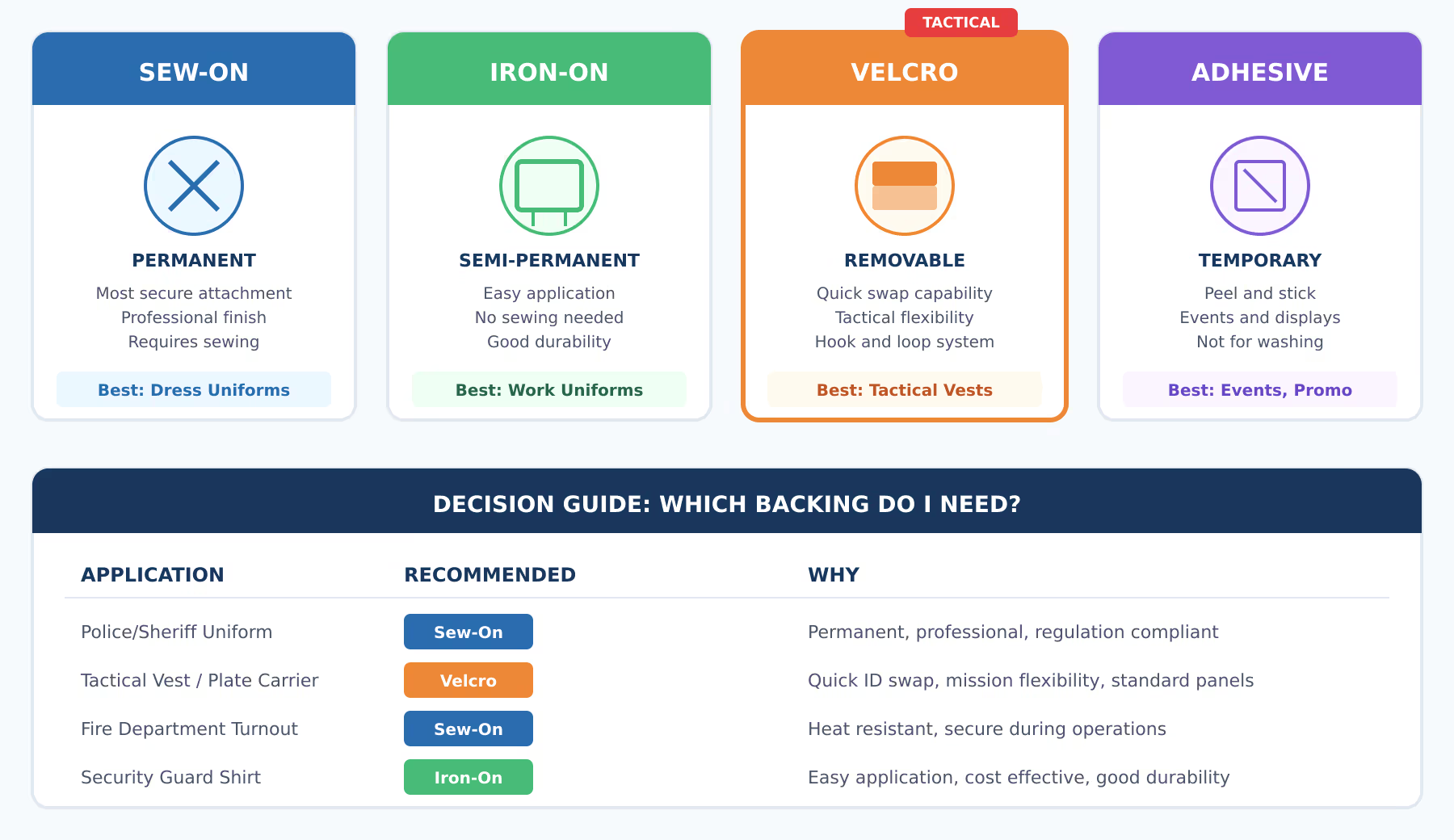
 Velcro vs Iron-On vs Sew-On Patches: Which Backing Is Right for You? Updated January 2026 | 12 min read Choosing the right patch backing is just as important as the patch design itself. The wrong backing can lead to patches falling off mid-shift, damaged uniforms, or hours of unnecessary work. Read More
 -
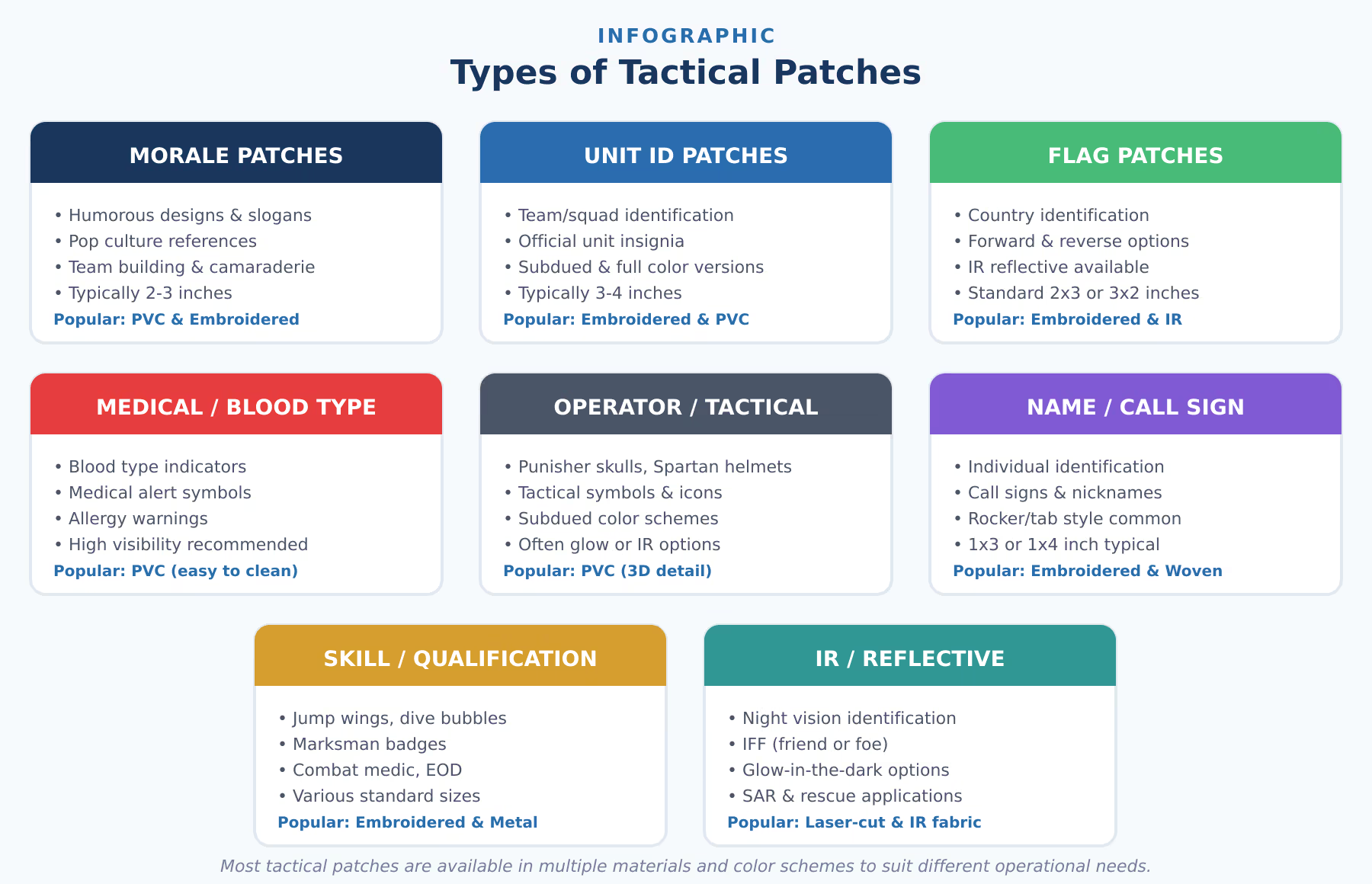
Tactical Patches: The Complete Buyer’s Guide Updated January 2026 | 15 min read Whether you are outfitting a law enforcement tactical team, building your personal kit, or looking for the perfect morale patch, choosing the right tactical patches requires understanding materials, backing options, and design considerations that differ significantly from Read More
-
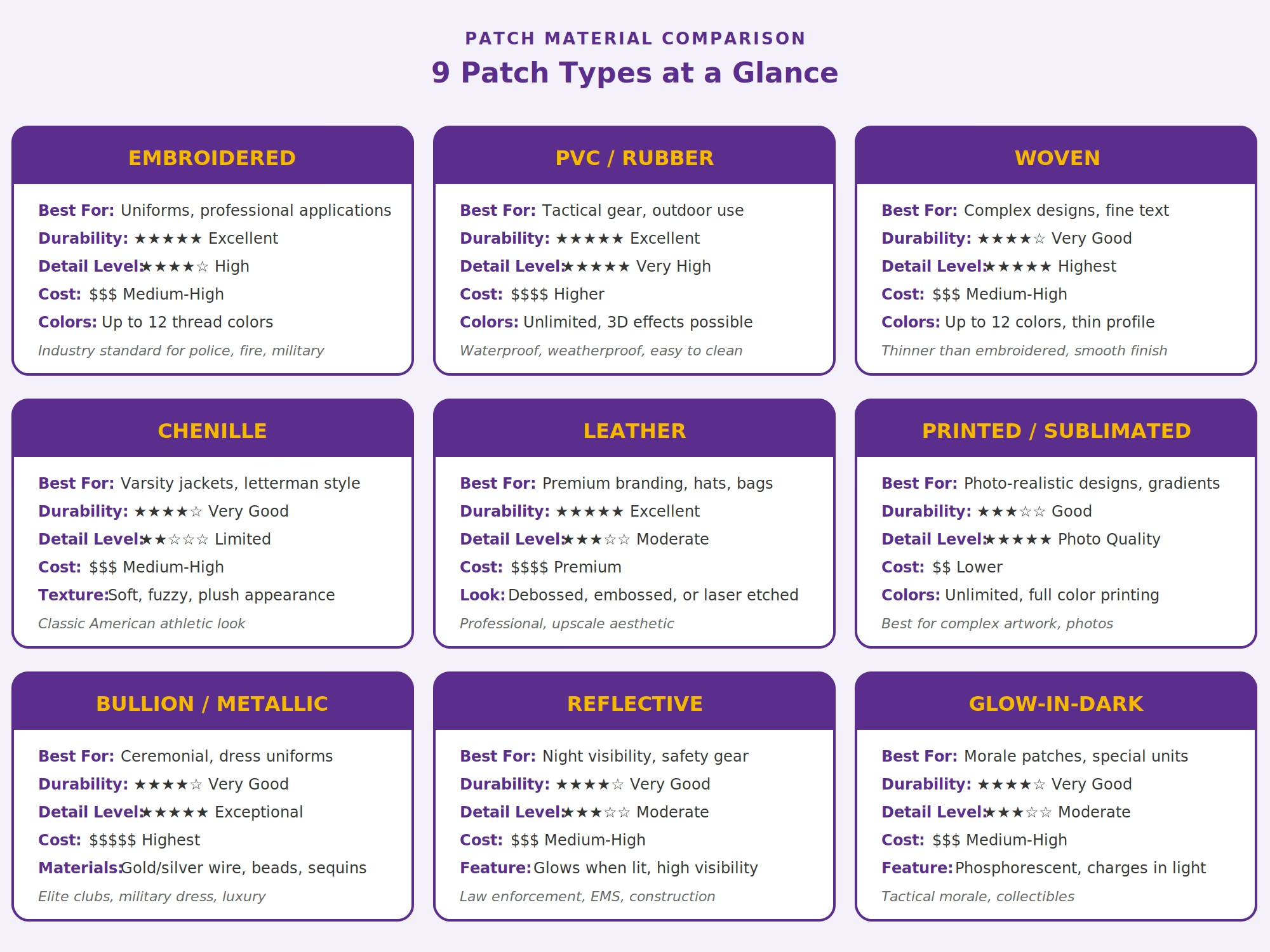
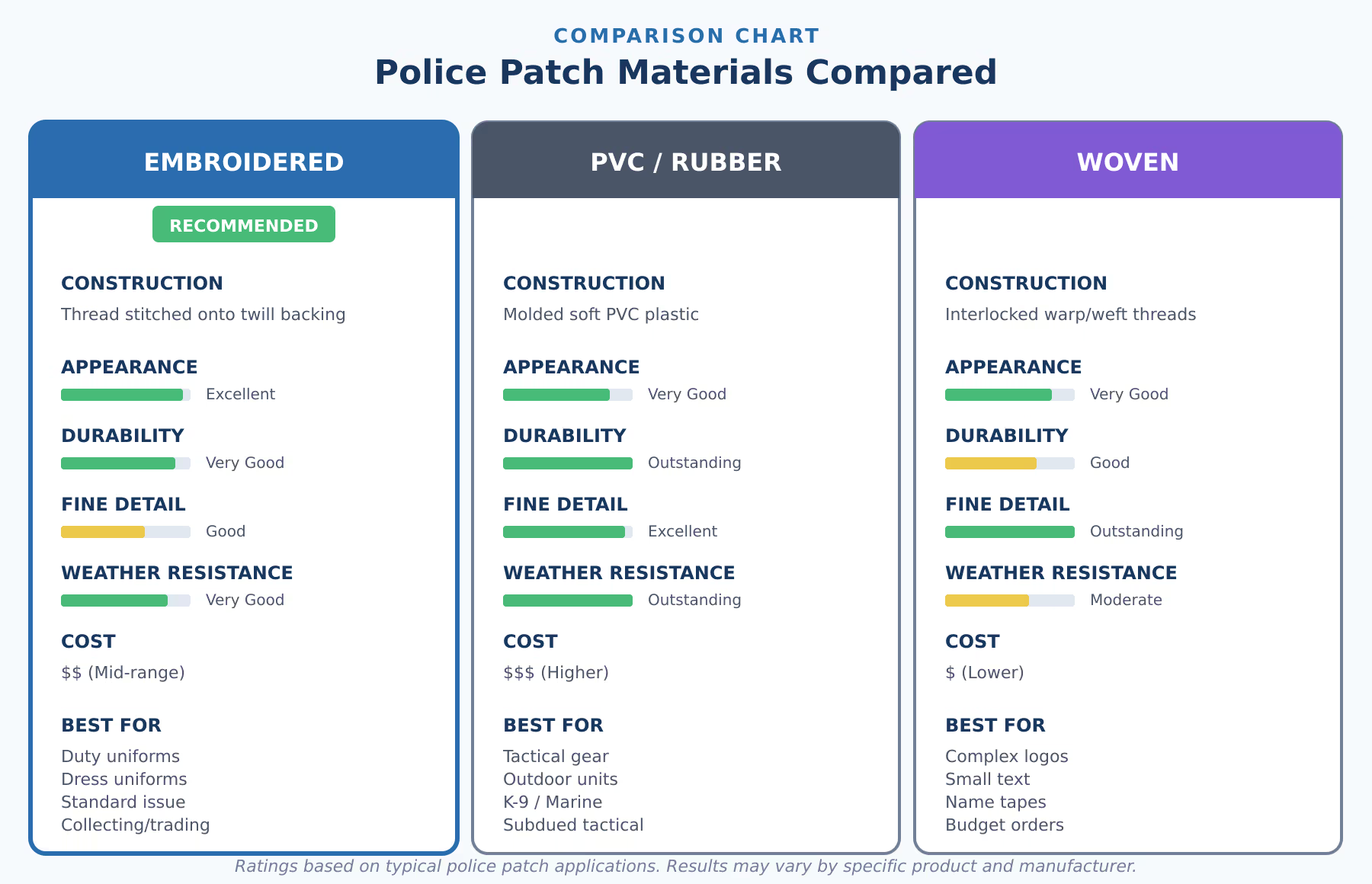
Embroidered Police Patches vs PVC & Woven: Complete Comparison Guide Updated January 2026 | 12 min read Choosing the right material for your department’s patches affects durability, appearance, and officer comfort. While embroidered patches remain the gold standard for law enforcement, PVC and woven alternatives have carved out important niches Read More
-
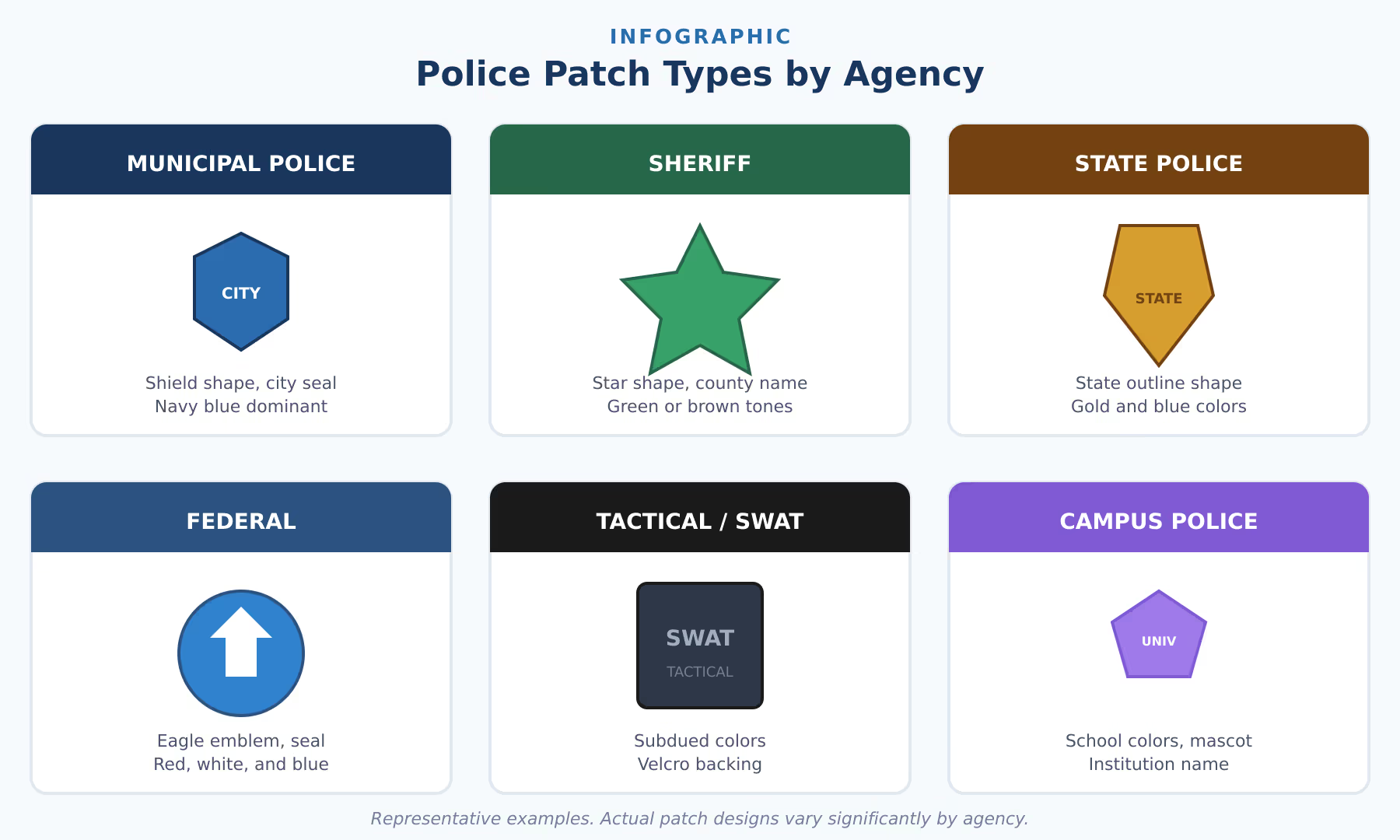
 Police Patches: History, Symbolism & Complete Guide Updated January 2026 | 18 min read Police patches are more than fabric and thread. These embroidered insignias carry the identity, history, and values of law enforcement agencies across America. From the iconic NYPD shield to small-town department emblems, each patch tells a Read More
 -
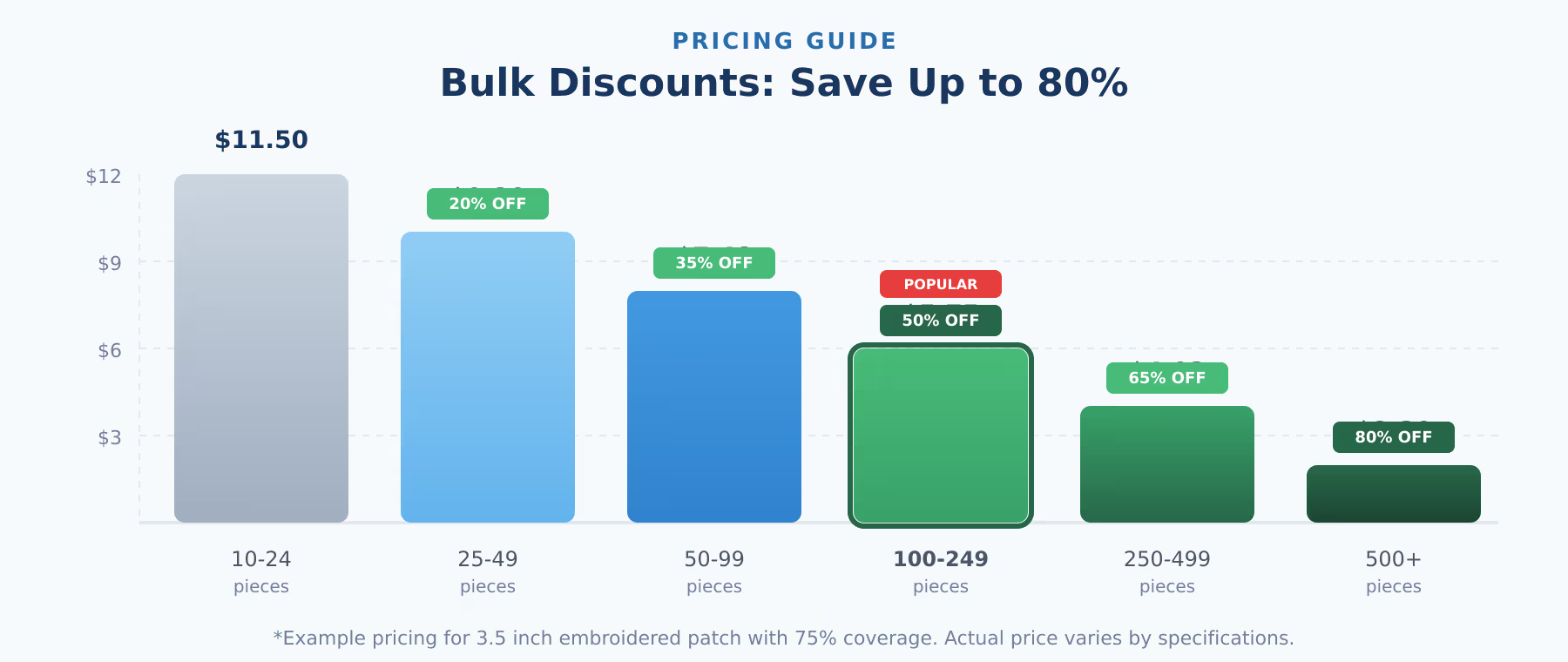
 Custom Police Patches: Design & Order Online Create professional law enforcement patches with our easy online designer. No minimums. Fast turnaround. Trusted by departments nationwide. 5,000+ Departments Served No Minimum Orders 2-3 Week Delivery 100% Satisfaction Guarantee Start Designing Your Patch Free to design. No commitment until you order. 10+ Read More
 -
The Complete Guide to Embroidered Patches: From Design to Delivery Updated January 2026 | 22 min read Embroidered patches remain the gold standard for professional identification across law enforcement, fire departments, military, security, and corporate organizations. Whether you need custom police patches, fire department insignia, or corporate branding patches, this Read More